Top 8 Leading Hospitals in Florida — Renowned Doctors & World-Class Care
Florida’s healthcare landscape mixes cutting-edge research, elite specialists, and sprawling medical centers that serve millions every year. Whether you’re choosing care for complex surgery, specialty pediatrics, trauma, cancer, or heart disease, these eight hospitals stand out for clinical excellence, advanced facilities, and physicians who are leaders in their fields. Below you’ll find a practical, readable guide to the hospitals, what makes each one special, and why they matter to patients across the state and beyond.
1. Mayo Clinic Florida — Integrated specialty care and research leadership
Mayo Clinic’s Jacksonville campus has long been a magnet for people seeking complex or multi-specialty care. The hospital combines deep subspecialty teams (cardiology, neurosurgery, oncology, transplant, and more) with integrated care pathways that reduce unnecessary testing and speed recovery. Mayo’s model of coordinated multidisciplinary clinics means specialists consult together — not sequentially — which is a big advantage for complex diagnoses. Recent national rankings and specialty recognitions consistently place Mayo Clinic among Florida’s top hospitals, reflecting both outcomes and reputation. (Mayo Clinic News Network)
What stands out: an emphasis on research-driven protocols, a strong transplant and cancer program, and access to clinical trials that smaller centers often cannot offer.
2. Cleveland Clinic Weston — Cardiac strength and safety culture
Cleveland Clinic’s Florida hospitals — especially the Weston campus — are widely recognized for cardiovascular care, advanced cardiac surgery, and a systemwide safety culture that continually pushes quality metrics. Cleveland Clinic Weston features high marks in specialty performance and is included among international hospital rankings for specialized care. The system’s team-based approach to heart disease (including electrophysiology, structural heart, and heart failure programs) is a reason many patients travel across state lines for treatment. (Cleveland Clinic)
What stands out: leading heart teams, robust outcomes reporting, and a strong institutional focus on patient safety.
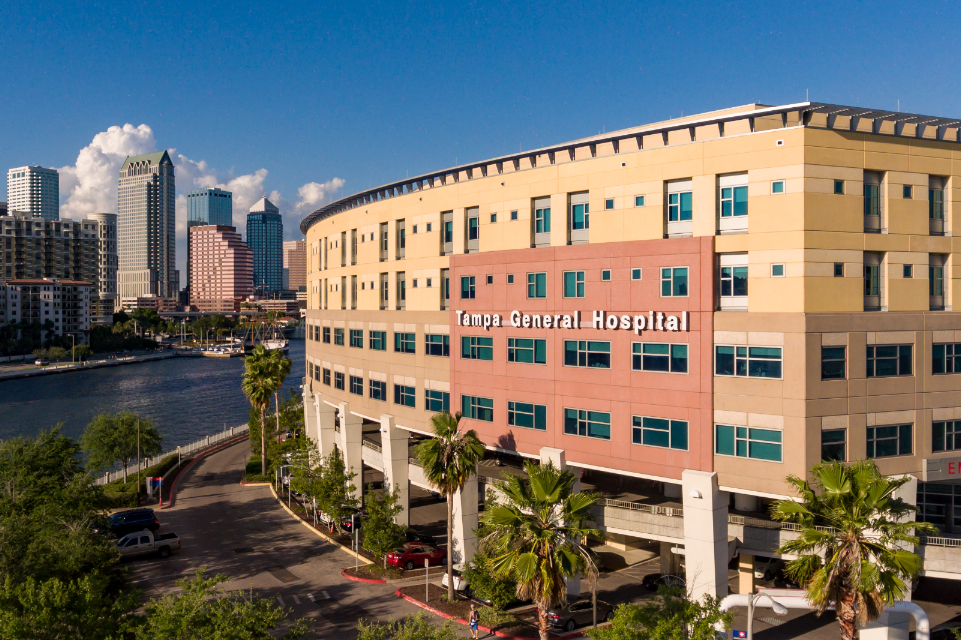
3. Tampa General Hospital — Regional referral center and high-volume specialty care
Tampa General is a major referral center for Central and Southwest Florida. It combines high procedural volumes (which often correlate with better outcomes) with specialty programs in neurosurgery, trauma, transplant, and obstetrics. It’s repeatedly recognized in national hospital rankings and has received accolades for maternal care, neuro and cardiac specialties. For families in the Tampa Bay region and beyond, Tampa General is a go-to for complex cases. (tgh.org)
What stands out: high-volume specialty teams (neuroscience, transplant) and a large, well-equipped Level I trauma capability.
4. UF Health Shands Hospital — Academic medicine with deep research ties
Located on the University of Florida campus, UF Health Shands blends academic medicine with tertiary care. As a teaching hospital, it’s home to specialists who treat rare conditions and participate in clinical research. UF Health has notable cancer, cardiology and neurology programs and is often cited among top hospitals for specialized care areas in statewide rankings. Patients benefit from access to investigators and the latest therapeutic options. (cancer.ufl.edu)
What stands out: academic-level subspecialists, clinical trials, and seamless links to university research.
5. Jackson Memorial Hospital — Safety-net giant with top trauma and transplant services
Jackson Memorial is one of the largest public teaching hospitals in the U.S., and its Ryder Trauma Center is a statewide referral hub for severe trauma. Jackson serves a diverse population and is embedded with academic partners, research programs, and specialty centers (including transplant and neurocritical care). For life-threatening injuries and complex, time-sensitive conditions, Jackson’s resources and experience are critical. (Ryder Trauma Center)
What stands out: the Ryder Trauma Center (adult + pediatric Level I care), large surgical teams, and a deep bench of specialists for high-acuity care.
6. AdventHealth Orlando — Large system hospital with broad specialty coverage
AdventHealth Orlando (previously Florida Hospital) is a major regional player offering broad inpatient and outpatient services. The hospital system has earned national recognition and multiple specialty “high performer” badges — including programs in cardiology, oncology, and orthopedics. AdventHealth’s patient-care model and network enable well-coordinated referrals and quick access to subspecialty clinics. (AdventHealth)
What stands out: extensive network resources, recognized specialty programs, and a patient-centered approach that extends across many campuses.
7. Johns Hopkins All Children’s Hospital — Pediatric excellence and kid-centered innovation
For families seeking pediatric subspecialty care, Johns Hopkins All Children’s Hospital in St. Petersburg is a standout. It is repeatedly ranked as one of Florida’s top children’s hospitals, providing everything from neonatal intensive care to complex pediatric cardiology, oncology and surgical programs. The hospital’s affiliation with Johns Hopkins Medicine brings academic expertise to children’s care in the Tampa Bay region. (Johns Hopkins Medicine)
What stands out: nationally ranked pediatric specialties, family-friendly facilities, and access to pediatric clinical trials and subspecialists.
8. Baptist Health South Florida — Award-winning system care across South Florida
Baptist Health South Florida is a well-established nonprofit system with multiple hospitals in the Miami area. The system has collected numerous awards for clinical quality (cancer, brain & spine, cardiovascular care) and is recognized by U.S. News as one of the most honored systems in the region. For South Florida residents, Baptist Health offers broad specialty coverage, community outreach, and an emphasis on patient experience.
What stands out: geographically distributed care, recognized specialty centers, and strong community health programs.
What “world-class” care looks like (beyond fancy buildings)
- Multidisciplinary teams: True world-class centers bring surgeons, medical specialists, radiologists, pathologists and allied health professionals together in unified care plans.
- High procedural volume & outcomes transparency: Centers publish outcomes and participate in registries — important for informed decisions.
- Access to novel therapies & trials: Academic centers and large systems offer clinical trials that may not be available elsewhere.
- Integrated digital tools: Patient portals, telehealth follow-up, and remote monitoring improve continuity of care, especially in a geographically large state like Florida.
- Patient experience & support services: From interpreter services to social work and rehab, comprehensive support matters for recovery.
Real patient questions (and short answers)
Q: If I need a heart valve replacement, which hospital should I consider?
A: Look to high-volume cardiac programs—Cleveland Clinic Weston and Mayo Clinic Florida are both excellent starting points because of their focused heart teams and outcomes reporting. (Cleveland Clinic)
Q: Where should I go after a major car crash in South Florida?
A: For life-threatening trauma, Ryder Trauma Center at Jackson Memorial Hospital is a primary referral hub with Level I adult and pediatric capabilities. (Ryder Trauma Center)
Q: My child needs specialized oncology care — which hospital?
A: Johns Hopkins All Children’s Hospital and other pediatric specialty centers provide dedicated pediatric oncology teams and child-friendly supportive care. (Johns Hopkins Medicine)
Final thoughts — picking the best fit
Florida has world-class hospitals distributed across its major metros. The “best” hospital for you depends on the medical issue, geographic access, insurance/financial considerations, and personal preferences (e.g., hospital culture, visitor policies, language services). The eight hospitals above represent a mix of academic medical centers, specialty children’s hospitals, and large regional systems — each with demonstrable strengths, award recognition, and teams that attract patients nationally.
If you’d like, I can:
- Create a printable one-page comparison (specialties, trauma level, top programs, nearest airports) for the hospitals you care about; or
- Research patient outcome metrics and recent awards for any two hospitals you pick and present them side-by-side.
Tell me which follow-up you’d prefer and I’ll fetch the details. (No waiting — I’ll do it right away.)
Leave a Reply